
Winter in Gresham can be tough on a roof. Months of rain, wind, debris, moss, and temperature changes can leave behind problems that are easy to miss from the ground. By the time spring arrives, your roof may need a little attention before heading into another season of changing weather. At Gresham Roofing and Construction, we’ve put together this roof inspection checklist to help you know what to look for this spring.
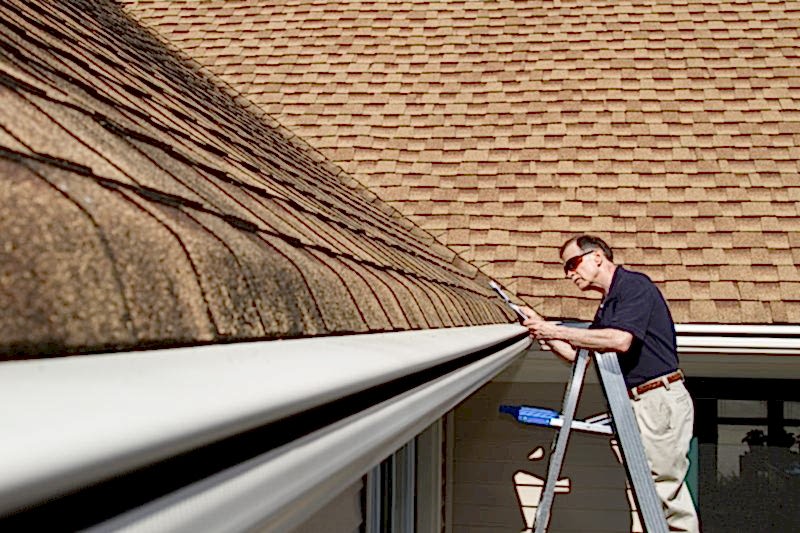
Why Spring Is the Best Time to Inspect Your Roof
Spring gives you a chance to see how your roof handled the winter weather before the seasons really get going. Gresham’s wet winters can expose weaknesses in shingles, flashing, gutters, and other parts of your roofing system. Taking care of these issues now can help prevent a small problem from becoming a much more expensive repair later.
Spring is also a convenient time to get your roof ready for the rest of the year. A little spring roof maintenance can go a long way toward keeping your roofing system in good shape.
If You See These 3 Things, Call a Pro Immediately
Before diving into the full checklist, look up from your driveway. If you spot any of these red flags, skip the DIY scouting and call us for an emergency residential roof inspection right away:
- Exposed wood or underlayment where shingles have completely flown away.
- Active water stains or dripping on your attic ceiling.
- A major structural sag along the ridge line of your roof.
Safety First: The DIY vs. The Pros
Before we look at how to inspect your roof after winter, let’s talk safety. Unless you have professional safety harnesses, a properly secured extension ladder, and a completely flat roof surface, please keep your feet firmly on the ground.
Falls are the leading cause of household injuries. You can see about 90% of what you need to see using a good pair of binoculars from your lawn or looking through your attic hatch. Leave the high-wire act to our fully trained crew.
Inspect Your Shingles for Damage
Grab those binoculars and take a slow walk around your yard. You are tracking down:
- Missing, cracked, or severely curled shingles.
- Heavy granule loss (look for dark bald spots on the roof or piles of sand-like debris in your gutters).
- Loose nails or edges that look lifted.
Trim Back Overhanging Trees
Gresham is famous for its gorgeous canopy, giant Douglas firs, and heavy seasonal winds. But those beautiful trees can wreak havoc on your home, so:
- Check for tree branches making direct contact with your roof.
- Wind causes these branches to scrape back and forth, acting like sandpaper on your shingles.
- Look for heavy accumulations of pine needles and pinecones trapped in roof valleys, which hold destructive moisture against the surface.
Examine Flashing Around Roof Penetrations
Flashing consists of those metal pieces installed around the dynamic “bends” and openings of your roof. Take a close look at the valleys and the areas around your chimney, skylights, and plumbing vents. Displaced, rusted, or cracked flashing is the number one cause of sudden residential roof leaks.
Clean and Inspect Gutters and Downspouts
After a long winter, your gutters have probably collected their fair share of leaves, twigs, moss, and other debris. Clean them out and make sure water can flow freely through the gutters and downspouts. While you’re at it, check for sagging sections, cracks, holes, or places where gutters have pulled away from the house.
Check for Moss, Algae, and Organic Growth
Living in the PNW means fighting a constant battle against green moss. Moss acts just like a sponge, holding moisture directly against your shingles and rotting the wood underneath. Look for green patches, dark streaks, or fuzzy growth, especially on the northern, shaded sides of your roof.
Inspect the Attic for Hidden Warning Signs
Your attic can tell you things your roof can’t show you from the outside. It’s especially helpful to check after a rainy stretch. Fresh water stains or damp areas could point to a roof leak that needs attention. Take a quick look around for:
- Water stains on the decking
- Damp or compressed insulation
- Dark spots
- Musty smells
- Signs of mold or moisture
- Daylight coming through the roof
Evaluate Roof Ventilation and Insulation
Proper roof ventilation keeps your attic cool and dry. Check that your soffit and ridge vents are completely unblocked by dust, bird nests, or stray insulation. Good airflow prevents moisture buildup in the winter and lowers your home’s cooling bills when summer arrives.
Keep Your Roof Ready for the Seasons Ahead
Your roof made it through another Gresham winter. Now is a good time to see how it’s doing. Use Gresham Roofing and Construction’s roof inspection checklist to look for obvious signs of damage, but remember that a DIY visual inspection is only a starting point. It can’t replace a professional residential roof inspection. With more than five decades of roofing experience, our team knows what Gresham-area roofs go through and what to look for after a long winter. Contact us today to schedule a professional roof inspection in Portland Metro, PDX, Lake Oswego, Tualatin, Camas, or Vancouver. Get the peace of mind that comes with knowing your roof is ready for the seasons ahead.


